· 6 min read
Web, UX, UI or product designer: who does your project need?
Short answer: a web designer designs websites, a UI designer designs how screens look and behave, a UX designer makes sure the whole thing works for the people using it, and a product designer does all of that for a digital product while keeping the business goals in view. For a small business website you need a web designer who understands UX. For an app, a SaaS tool or a dashboard you need a product designer.
The four roles at a glance
| Role | Focuses on | Typical result | You need one when… |
|---|---|---|---|
| Web designer | Websites: structure, look, content, how it brings in enquiries | A business website, landing page or online shop | You need a site that wins customers |
| UX designer | How easy and clear it is to use: research, user journeys, structure | User flows, wireframes, tested prototypes | People get lost, drop off or keep asking the same questions |
| UI designer | How every screen looks and behaves: layout, type, colour, buttons, states | Finished screens and a UI kit or design system | It works, but looks dated, inconsistent or untrustworthy |
| Product designer | The whole digital product, from the problem to the shipped feature, balanced with business goals | Product strategy, UX, UI and handover to developers | You’re building or growing an app, SaaS or internal tool |
Web designer
A web designer plans and designs websites: which pages you need, what goes on them, how they look on phones and computers, and how a visitor turns into an enquiry, a booking or a sale. Many web designers also build the site or work with a developer who does.
A good web designer thinks about your customers first and your colours second. If your site looks fine but brings in nothing, that’s usually a UX problem, not a design one.
UX designer
UX stands for user experience. A UX designer works out how something should work before deciding how it should look: who the users are, what they’re trying to do, where they get stuck and what the simplest path is. Typical work includes interviews, analytics, user journeys, information architecture, wireframes and usability testing.
On a small website, UX is about clear structure and wording. On a complex product, it can be the difference between a tool people use daily and one they avoid.
UI designer
UI stands for user interface. A UI designer designs what you actually see and touch: layouts, typography, colours, icons, buttons, forms and every state of them, including errors, loading and empty screens. On bigger products, UI designers build design systems so that dozens of screens stay consistent.
UX and UI are often done by the same person, which is why you’ll see “UX/UI designer” so often.
Product designer
A product designer covers UX and UI for a digital product, such as an app, a SaaS platform or a data-heavy dashboard, and adds product thinking: which problem is worth solving, what to build first, what to leave out and how to measure if it worked. They work closely with founders, product managers and developers from idea to release, and keep improving the product after launch.
What about web developers?
Designers decide what to build and how it should work and look. Developers write the code that makes it real. Some people do both, especially for websites. For apps and complex products, design and development are usually separate jobs, and the designer hands over detailed designs, a design system and notes for every state.
A designer who understands code is a big advantage either way: fewer designs that look great but are slow or expensive to build, and fewer surprises once development starts.
Which one do you need?
- A website for your business, a landing page or an online shop: a web designer who understands UX, ideally one who can also build it.
- Your site or app works, but people don’t use it the way you hoped: a UX designer or a UX review.
- It works, but looks dated or inconsistent: a UI designer, or a UI refresh with a design system.
- A new app, SaaS tool, portal or dashboard: a product designer.
For most small and medium businesses, hiring four specialists makes no sense. What you want is one experienced person who can switch between these roles and knows which one your project needs at each stage.
One designer for all of it
That’s how I work. I’m Tatiana, a UX/UI, web and product designer with more than ten years across B2B and B2C. I design and build websites, landing pages and online shops, and I design web products, dashboards, mobile apps and design systems, including complex, data-heavy software.
I also have a master’s degree in programming. I chose design as my full-time work because I enjoy it more, but I understand how websites and apps are actually built. That means designs developers can build without guesswork, realistic estimates and a smoother handover.
- Web: sites built around how your customers decide, such as LUMI, a clinic website with a four-step booking flow.
- UX and product: from 40+ metrics on one screen to three that matter, in FLUX, a logistics dashboard.
- UI and mobile: a travel app designed around how a foldable phone opens, in TRVL.
- How I decide: the framework I use on every project is free to read: Tatiana’s Hexagon.
You work with me directly, from the first call to launch: no account managers and a fixed written quote before any work starts. I work with clients worldwide, remotely and across time zones, as well as locally in Hampshire.
Working with businesses across Hampshire
I’m a UX/UI and web designer based in Hampshire. Most projects run remotely, but I can meet clients in person across Hampshire when a project needs it. I work with businesses in Southampton, Portsmouth and Southsea, Winchester, Basingstoke, Eastleigh, Fareham, Havant and Waterlooville, Andover, Romsey, Petersfield, Alton, Farnborough, Fleet and Aldershot, as well as the New Forest, from Lymington to Ringwood. Beyond Hampshire, I work with clients across the UK and worldwide.
More on local prices in website design in Hampshire, Portsmouth and Southampton.
Common questions
What’s the difference between UX and UI design?
UX is how something works for the people using it: structure, flows, clarity. UI is how it looks and behaves on screen: layout, type, colour, components. UX decides what goes where and why; UI makes it clear and pleasant to use.
Do I need a UX designer for a small business website?
You need UX thinking, not necessarily a separate UX designer. A good web designer plans the structure and wording around your customers before designing how it looks.
What does a product designer do that a UX/UI designer doesn’t?
A product designer also thinks about the product as a business: which problems to solve first, what to leave out, and how to measure whether a change worked. UX/UI designers often focus on the screens and flows they’re given.
Is a web designer the same as a web developer?
No. A designer decides what the site should do, say and look like; a developer builds it in code. Some people do both, which is common for small business sites.
Can one person do web, UX, UI and product design?
Yes, an experienced designer often does, especially for small and medium projects. Large products with big teams usually split the roles.
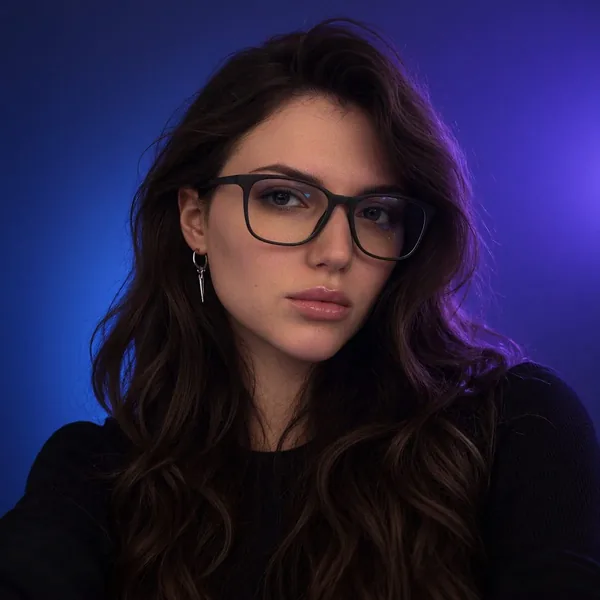
Tatiana · UX/UI, web & product designer in the UK with 10+ years across B2B and B2C. I design and build websites, online shops, web products and apps for businesses of every size. Back to the site